A couple of weeks ago, I went kayaking on the Southfork River with my grandson and granddaughter. While we were stopped on a gravel bar, I noticed my grandson Gavin flinching and jumping. When I asked what was wrong, he said he had seen a spider. Gavin is very afraid of spiders, and in that moment, I saw a familiar struggle in his eyes. I told him that when I was a boy, I was also terrified of spiders. I shared how I had once lived on alert, always watching for what frightened me—and then I told him how facing that fear became one of my first lessons in courage.
After what felt like years of being tormented by my fear of spiders, I reached a point where I knew I could not keep running from it. In fourth grade, my teacher, Mrs. Grissom, assigned us to write and present a report on any topic we chose. I chose spiders. With the help of my World Book encyclopedias, I began to study the very thing that frightened me. To make the presentation memorable, I caught a black widow spider, placed it in a mason jar with air holes in the lid, and brought it to class as an object lesson. When it was my turn to present, I slowly walked between the rows of desks toward my teacher, making sure everyone—especially the girls—got a close look at my prized specimen. Then I proudly set the jar on Mrs. Grissom’s desk. What had once made me tremble had become something I could face, hold, and speak about with confidence.
As I explained to Gavin, we often discover strength when we lean into what we fear. Fear is a universal emotion, and it has a purpose: it can warn us, sharpen us, and help protect us. But when fear is left in the dark, it can grow until it feels larger than life. When we bring it into the light, however, fear can become a teacher. If we are willing to listen, it can show us where we need healing, wisdom, courage, and growth.
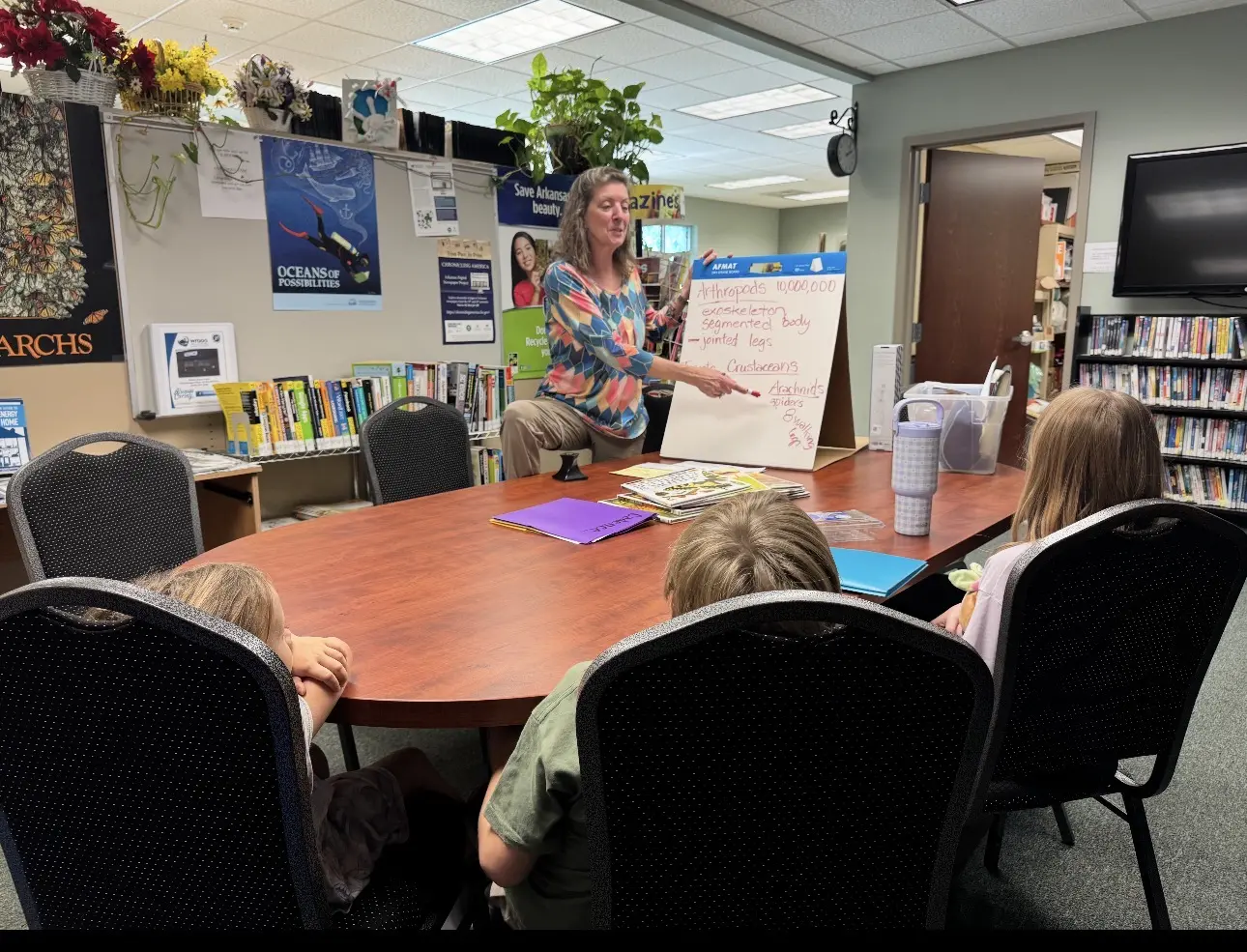
Through my research, I learned more about spiders and their behavior. I discovered that not all spiders are poisonous, and that even nonvenomous spiders, such as tarantulas, can bite and potentially cause infection. I learned that brown recluse spiders often hide in dark places and that black widows are known for the red marking on their abdomen. The more I learned, the less mysterious my fear became. Knowledge did not erase all concern, but it transformed my fear into something I could understand, respect, and manage. What had once controlled me began to lose its power.
When we lean into our fears, we give ourselves the opportunity to become curious instead of controlled, courageous instead of captive. We begin to explore what is true, what is imagined, and what can be overcome. In that process, fear can become a guide rather than a prison—a signal that invites us to grow, prepare, and move forward with greater wisdom.
So lean into what you fear. Step toward it with curiosity, humility, and hope. Get to know it. Let it deepen your self-awareness and lead you toward freedom from what has held you captive. Sometimes the very thing we avoid becomes the doorway to greater courage, healing, and peace. If your fear is connected to past trauma, I encourage you to seek help from a trained professional who can walk with you through that healing process.
Hope to see you on your Journey to Wellness—leaning forward, growing stronger, and walking more freely.