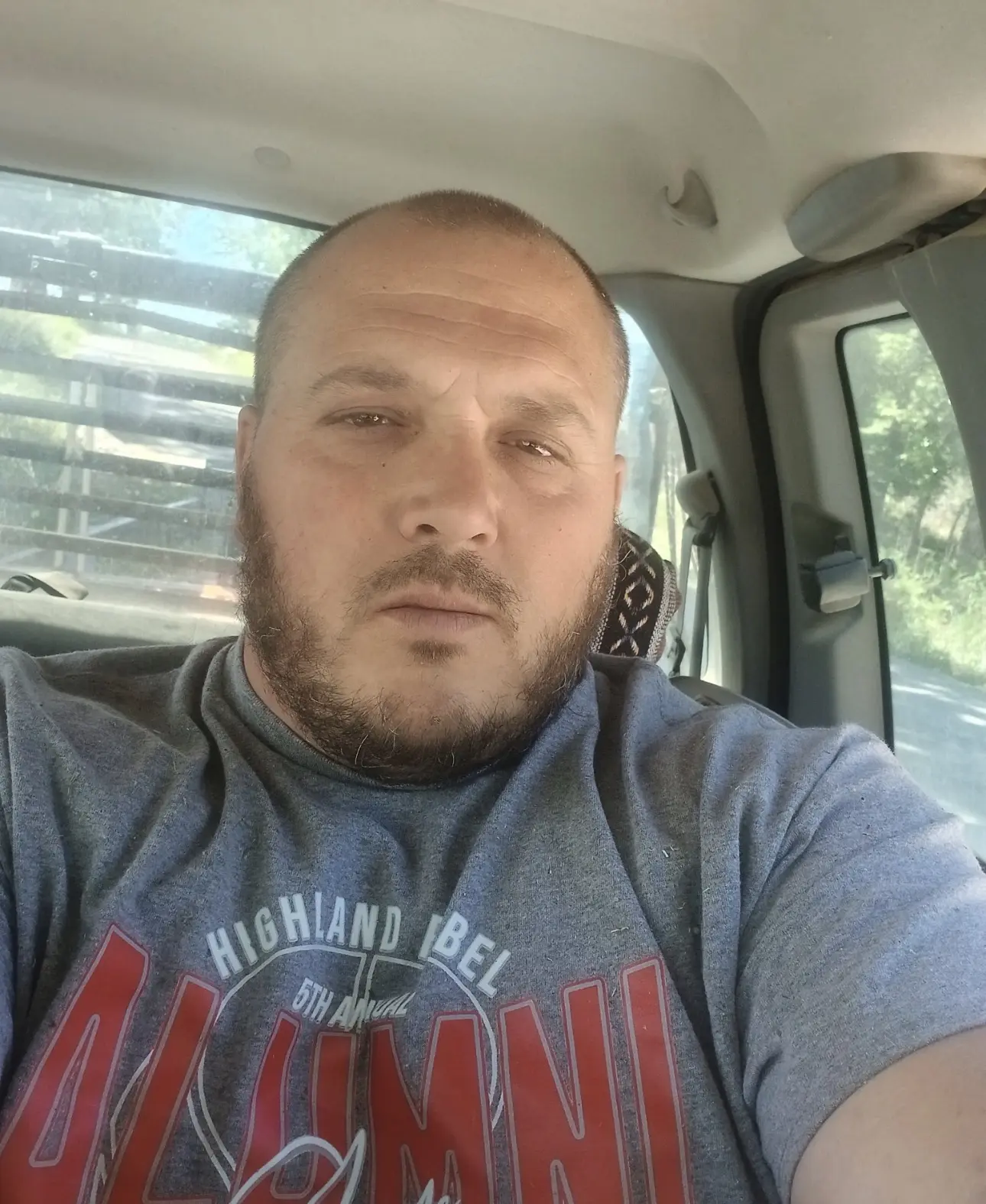
For more than half of his lifetime, 39-year-old Jerrett Stanford lived on the wrong side of the law. That is, until he had an encounter with Jesus Christ, he said, that changed everything.
“I’ve been sober for three years now. I want to share my story, because there were so many stories written about me when I was living that other life,” Stanford said.
Stanford said it wasn’t until his early 20s that he began selling and using drugs. He largely attributed his start into a former life of crime to the people he looked up to at the time.
“The people I looked up to were doing it, and it became a game for me with the cops. Like real-life cops and robbers. I grew up around the drugs, and I had never tried them; I stayed away from them until I got into my 20s, and then I just started trying them,” Stanford said. “Then I just started spiraling downhill. I thought by being a drug dealer, I could hunt and fish more. I am from a small town, and I love this area. I didn’t realize it was that bad, but as it progressed, the police started messing with me, and it just started getting worse from there.”
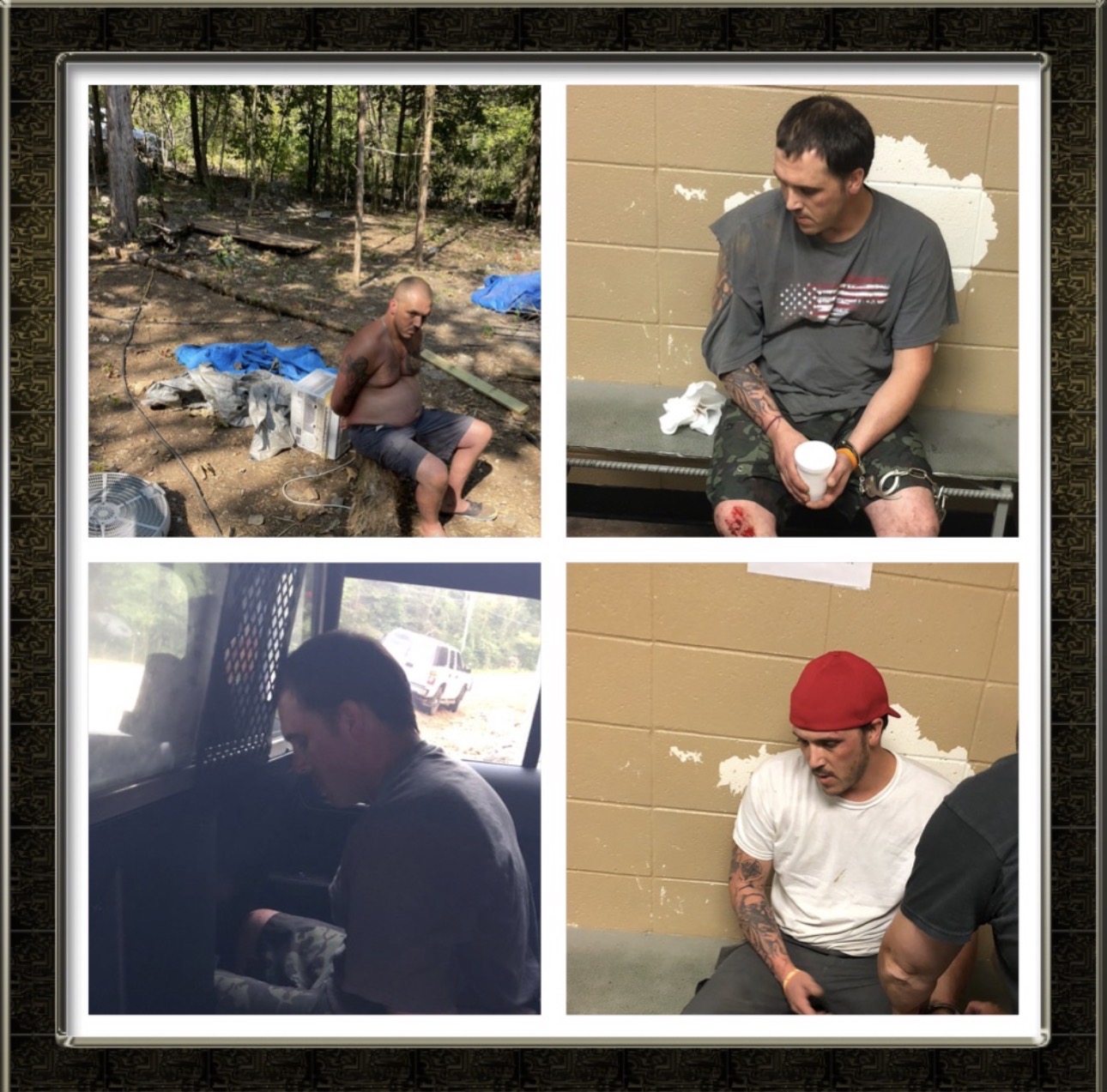
Photos courtesy of Colton Wilson. Previous photos of various times Stanford had been arrested.
Stanford said at the time, he believed he was offering a service and building a life that would allow him to do the things he wanted.
“I really thought I was trying to better my life, but all it was doing was making my life worse. People don’t realize selling drugs is a harder life than any regular full-time job. Everyone thinks it’s easy money, but it’s not. When you work a regular job, you know what your day looks like. You know what time you get off and that you’re going home, but when you’re selling drugs, especially on a larger scale, the stress factor, constantly looking over your shoulder, your mindset changes,” Stanford said. “You’re constantly worrying about staying free, who might be looking for you, having to go out at all hours of the day and night and you don’t know whether or not you’re going to make it home at all. Life is so much easier now without the drugs in it.”
Stanford said other challenges at the time included the risk of traveling to purchase and transport items back.
“It isn’t just selling; when you’re in a rural area, you don’t know if someone is coming to kick in the door or if the next person’s house you go to is setting you up. You have to travel or get someone to do it for you and so it’s not just the distribution,” Stanford said.
When asked if he remembered the first time he realized he was on law enforcement’s radar, Stanford said it wasn’t until 2018 that the severity hit him.
“I had had some run-ins before. I never carried a gun or anything because I knew better. I’d got charges here and there, but the manhunt in 2018 was when it really hit me. I didn’t realize how big a deal it was until the next morning when I popped out at someone’s house and they told me. I thought I just ran on foot and got away from the police,” Stanford said. “I did not know they had the Calico Rock K-9 Unit out and all the other officers and stuff looking for me in the woods, you know? Because in my mind, all I was doing was running.”
Not long after, Stanford said he remained stubborn and would find himself in the all too familiar surroundings of a jail cell from time to time. It wasn’t until 2023, he became resolute to change.
“If you look at all my charges over the years, it’s pretty much all for drugs. I was sitting there and thinking about everything, really thinking about it. I never knew Jesus. I heard of him but never gave it all to him. I was always bargaining with God ‘like if you’ll get me out of this I’ll change,’ but I didn’t really mean it. It was always false promises and false deals you know. I wasn’t really being sincere,” Stanford said. “In 2023, I was sitting in the Sharp County Jail, and one night I just tapped my hand on the table, said a prayer and I gave it all to God. I mean really gave it all to him.”
Stanford said it wasn’t the fear of prison or more jail time that prompted his decision; it was reflecting on the years of poor decisions, the impact they had made and meeting the then Peer Specialist Cassie Wilson.
“I love this area; I grew up here. I think part of the reason I didn’t get in more trouble sooner is because I was always trying to help people. I was looking at some large charges and I was thinking about my family and all the time that had been taken from them. It was time to grow up,” Stanford said. “I also met Cassie who was the peer specialist and she told me her story and it just changed my perspective.”
Stanford said another contributing factor was the rise of fentanyl and the lives it was claiming.
“All the years I was in that life, I never wanted anyone to die. It may not make sense to everyone, but I was very careful about what I was selling. Fentanyl came on the scene and scared me. I didn’t want anything to do with it, but had some people that wanted me to,” Stanford said. “I was not trying to kill my clients and that stuff is poison. I wouldn’t sell it, I even said if I found out where any was, I’d rob whoever had it and destroy it and they could get their money however they felt they needed to.”
After making the decision to change and live for Christ, Stanford said things improved immediately.
“Ever since I let God just have the steering wheel, life has been a blessing. Sobriety is possible; if I can do it, anybody can do it. I always told myself while I was in the addiction, from day one, if I could ever get clean and sober, I’m going to try to help as many people as I can,” Stanford said. “Well, you know that just for the longest time wasn’t happening, and I just kept messing up. Well, finally, I got to this and I’ve been clean and sober for a while, and it’s an everyday challenge,” Stanford said. “Yes, but you can still live a much happier life, less stressful life. Bad things still happen sometimes, but you can deal with them.”
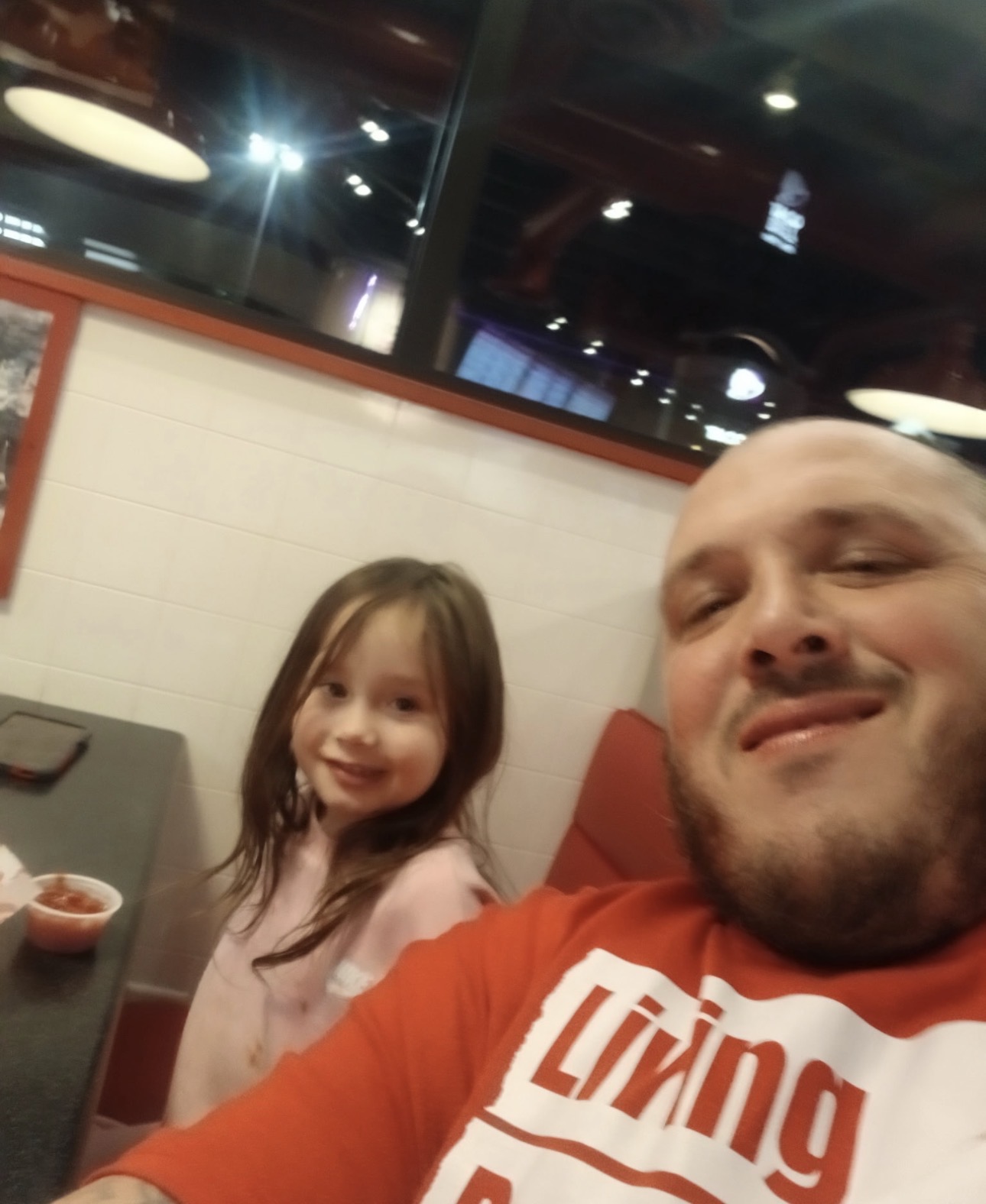
Stanford spending time with his granddaughter Timberlin .
After getting sober, Stanford said reconciliation with his family was paramount.
“It has been 100 percent better. My son asked me one time, why I didn’t get clean for him and the thing is, you can’t do it for someone else. If you don’t do it for yourself, it won’t last,” Stanford said. “There would be pastors who would come in over the years, but they can’t do it for you. The thing is, if you will just let go and let God, he will take you places you never thought were possible.”
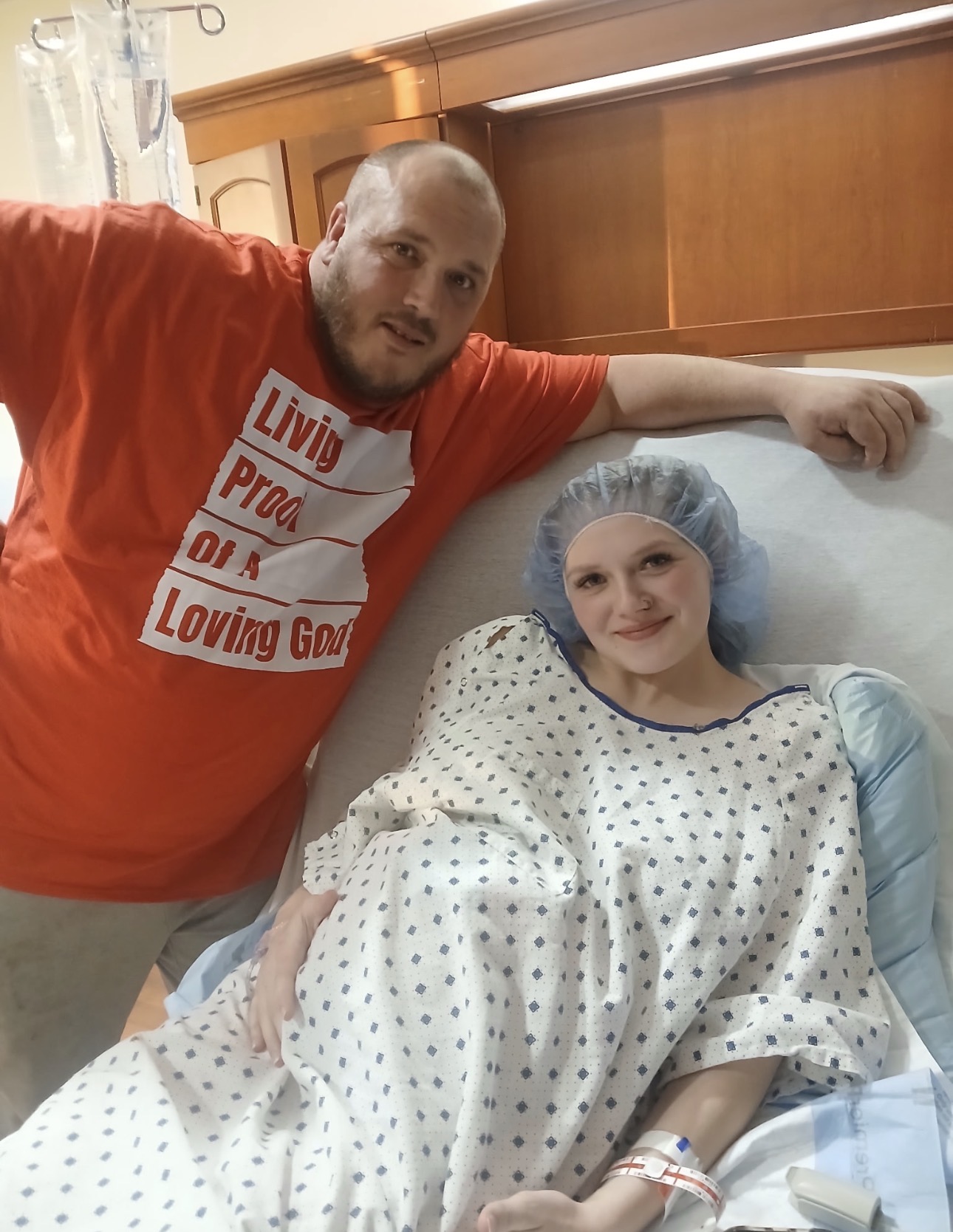
Stanford at the hospital with his daughter Abbey present for the birth of his second grandchild Azora.
Stanford said since becoming sober, he has become active in the community and his church’s Celebrate Recovery program.
“If anyone is still out there and they need someone to talk to. You know, I do these things on Facebook and TikTok to encourage people. It is possible to change. Just because you get stuck in the rut on something doesn’t mean that you can’t change your life and get back on track and reconcile with your families,” Stanford said. “A lot of times, you’ll see people get clean and give credit to God immediately but for me, I didn’t say much about sobriety for a long time. I didn’t say much about Christianity for a long time because I knew there were going to be a lot of people out there just waiting for me to relapse like ‘oh today is the day’.”
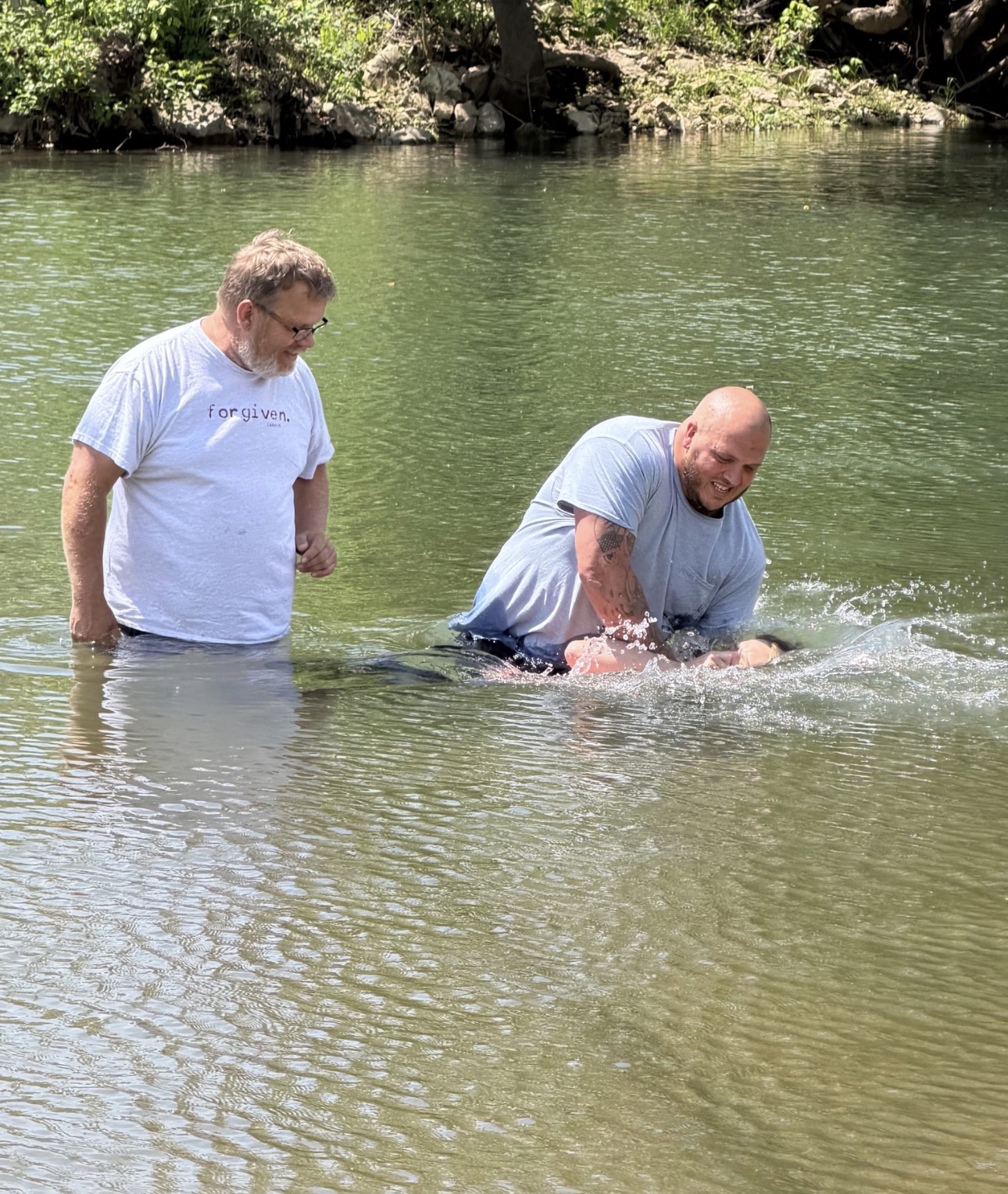
Stanford with his pastor Keith Chaffin participating in one of many baptisms.
But for him, that day has not come and Stanford has remained sober.
“I knew what I wanted to do, and what I was going to do, but I had to prove to myself before I started talking about it. I didn’t want to talk about it on day 90 and then day 96, fall back into it. I am not judging anyone, because it happens sometimes. Just because you relapse doesn’t mean you have failed. Start over. As long as you’re still breathing, it is not too late,” Stanford said. “Whatever you have to do to get on your path to sobriety, I am telling you, if you quit trying to control everything and give your life over to Jesus, he will change you. Sobriety is one thing, it is okay to be selfish with. No one person cares about you as much as you care about you. It is okay to tell some people you can’t be around them anymore and they should understand that.”

Stanford enjoying quality time with nephew Carson Stanford and his son Mason Jansen.
When asked what his plans for the future are, Stanford said he would like to become a Peer Recovery Specialist and support others trying to reach sobriety. In the meantime, he said he intends to continue his work with the church and the Celebrate Recovery program, providing support to anyone striving for sobriety.
He said he also would like to help facilitate more alternatives to incarceration.
“There are technically alternatives such as rehab, but it’s not really a choice. It’s that or jail and remember, you have to do it because you want to, for you, or it just won’t stick. Jail is not the fix for an addiction problem, and more often than not, it just makes people better criminals when they get out,” Stanford said. “I’d like to see more programs where they can truly help you get back into society. Help you relearn how to be a constructive member of society and get a job so you’re not going back to what you know. Prison doesn’t help you get your driver’s license back; it doesn’t help you get a job. As a grown up, your bills aren’t getting paid unless you have a really good support system and so people can come out homeless and feeling defeated.”
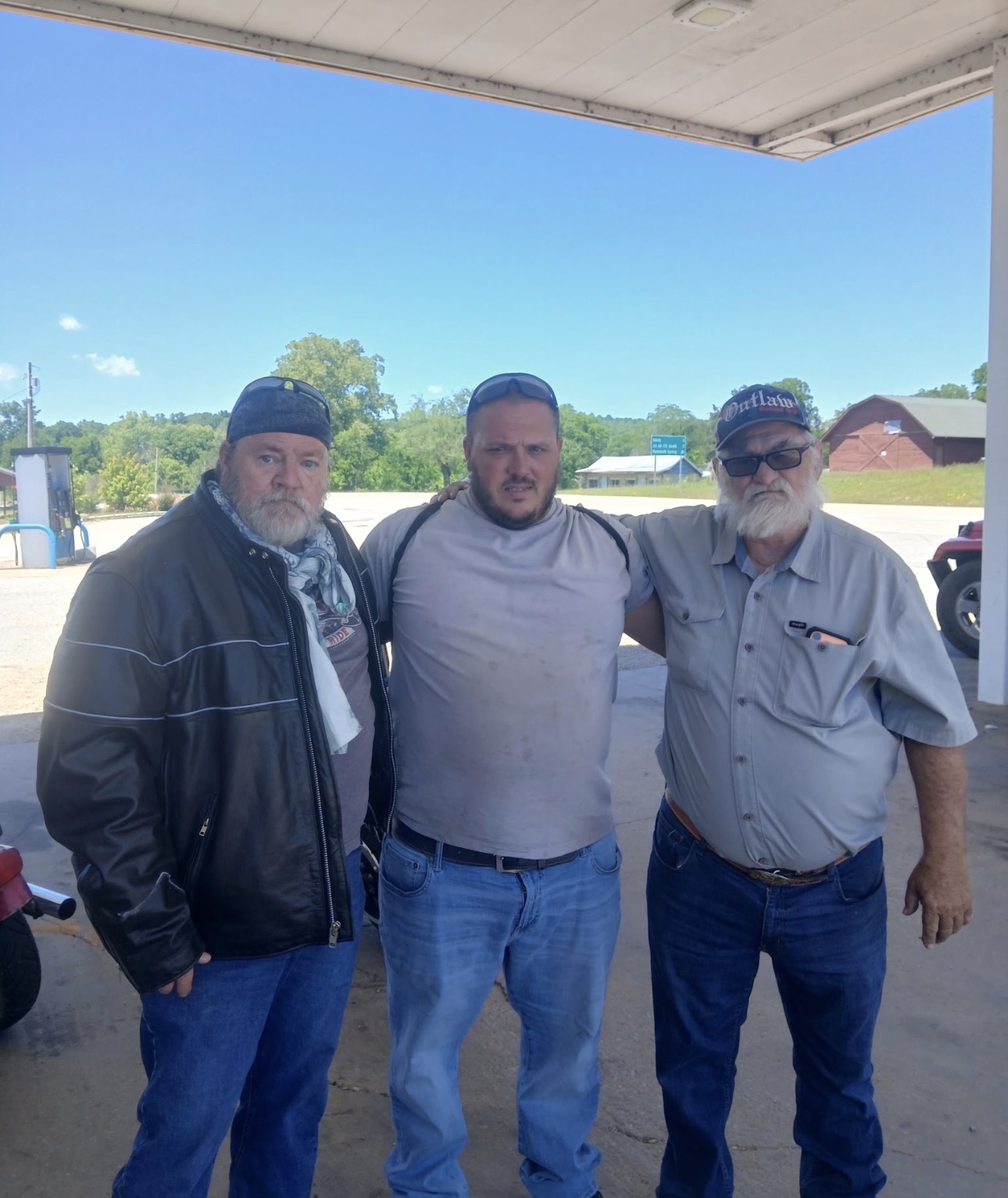
Stanford with his father Bobby Stanford (left) and his uncle Jimmy Whit.
Stanford said another challenge for many upon release is re-earning the trust of loved ones and the community.
“When you get shipped off, they always love to say, ‘well, you know, do the time and you’ve paid for your crime’, but we all know society doesn’t see it that way. That’s not the truth,” Stanford said. “Jail and prison are boring. Yea they say you’ve paid for your crime with your time, but when you get out, you’ve still got fines, stuff to pay for and if you can’t get it done, then you get more fines and end up back in jail on a cycle. I will say it changes your mental attitude. You’re either going to keep going back or decide you never want to be there again.”
Stanford said another challenge upon release is the likelihood of being picked up immediately and sent to another incarceration facility if charges were pending in another area; further delaying compliance and increasing the chance of added fines.
While he continues to search for solutions to break the cycle, Stanford said he would encourage anyone struggling with sobriety to seek support.
“Sobriety is possible. If I can do it, you can too. I just want anyone trying to get out of that life to know, you’re not alone. There are a lot of people out there rooting for you, even if it’s not the people you’re used to being around,” Stanford said.


Lauren is a an award-winning journalist who decided after 10 years of newspaper experience to venture out. Hallmark Times was born.